
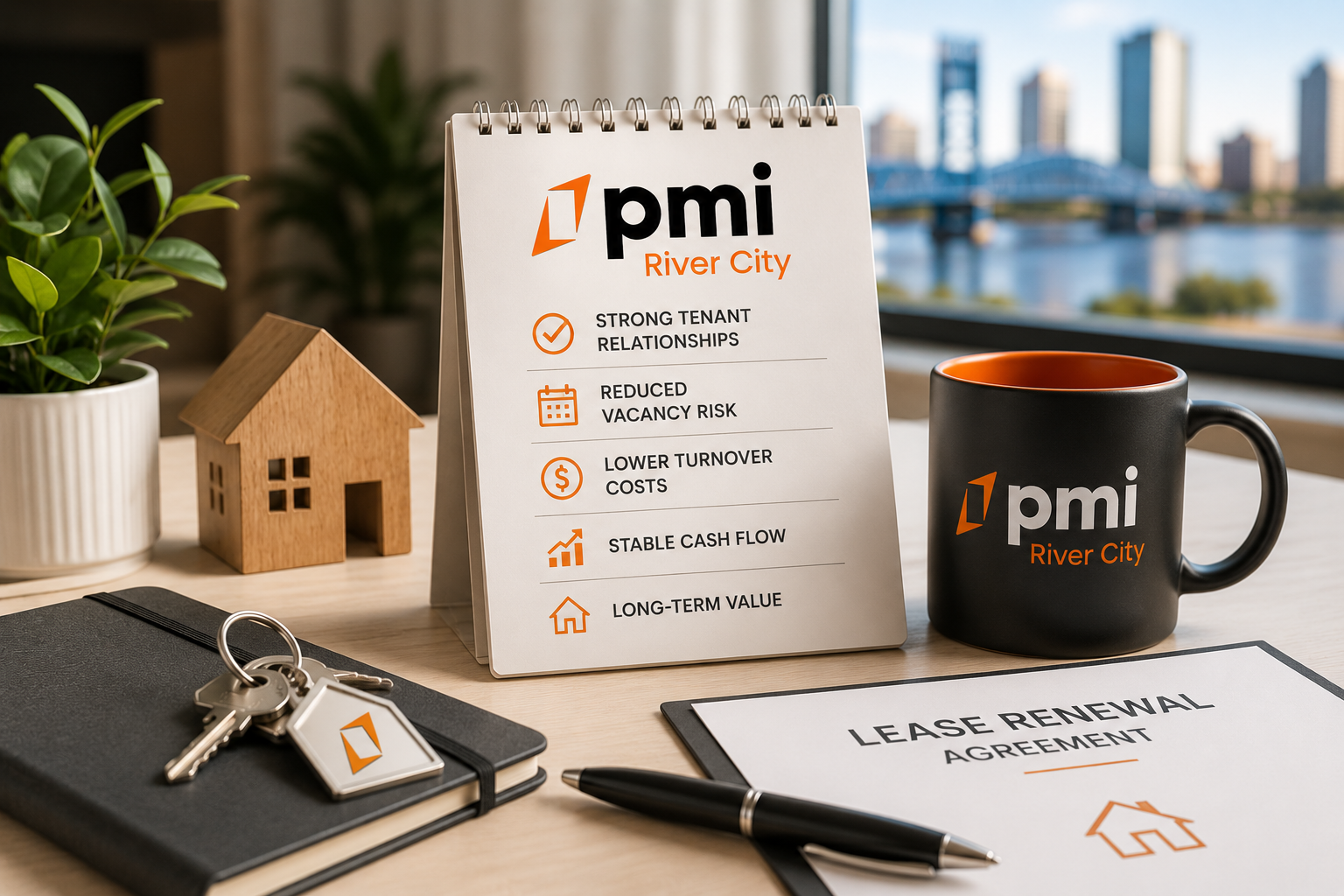
Many rental property owners focus heavily on finding the next tenant. While tenant placement is important, one of the most overlooked opportunities to improve investment performance often happens before a vacancy ever occurs: the lease renewal.
In today's Northeast Florida rental market, lease renewal decisions can influence cash flow, vacancy exposure, maintenance planning, and overall investment stability. Understanding how to approach renewals strategically has become an important component of successful property ownership.
The Cost of Starting Over
When a tenant moves out, owners often think primarily about the upcoming vacancy period. However, turnover costs typically extend beyond lost rent.
Potential expenses may include:
- Professional cleaning
- Paint and touch-up work
- Maintenance repairs
- Utility expenses during vacancy
- Leasing and marketing costs
- Time spent preparing the property for a new resident
While every property and situation is different, turnover often represents one of the largest operational expenses owners face throughout the life of a rental property.
Not Every Renewal Should Be Automatic
A common misconception is that every tenant should be renewed without question.
A thoughtful renewal strategy evaluates several factors, including:
- Payment history
- Lease compliance
- Property condition
- Communication history
- Current market conditions
- Long-term ownership goals
Strong tenants who consistently fulfill their lease obligations often provide value beyond the monthly rent amount. Stability can reduce operational disruptions and create more predictable investment performance.
Market Conditions Matter
Renewal decisions should also reflect current market conditions.
Rental markets change over time. Rental rates, available inventory, tenant demand, insurance costs, and operating expenses can all influence renewal planning.
Effective Jacksonville Property Management involves regularly evaluating market conditions and helping owners make informed decisions based on available data rather than assumptions.
In some situations, retaining a quality resident may provide greater long-term value than pursuing a higher advertised rental rate accompanied by vacancy risk.
Communication Plays an Important Role
Renewal conversations often begin months before a lease expiration date.
Clear communication helps both owners and residents understand expectations and timelines. Early planning may provide additional flexibility and reduce last-minute decision-making.
Professional Jacksonville Property Management systems often include structured renewal processes designed to help owners evaluate options before lease expiration becomes urgent.
Long-Term Thinking Often Produces Better Results
Successful real estate investing is often about consistency rather than reacting to short-term market fluctuations.
A renewal decision should support the overall investment strategy for the property. Factors such as cash flow, maintenance planning, market conditions, and resident performance all deserve consideration.
While no two situations are identical, thoughtful lease renewal planning can help reduce unnecessary turnover and support long-term property performance.
Final Thoughts
Many owners spend significant time focusing on acquisition and tenant placement. However, lease renewals frequently represent one of the most important decisions made during the ownership cycle.
A strategic approach to renewals can help owners balance rental income, occupancy stability, and long-term asset performance.
At PMI River City, we believe informed decisions create stronger investments. Through professional Jacksonville Property Management services, market analysis, and operational support, we help owners evaluate lease renewal opportunities with a long-term perspective.
To learn more, visit PMI River City and explore resources designed to help Northeast Florida rental property owners make informed decisions.