
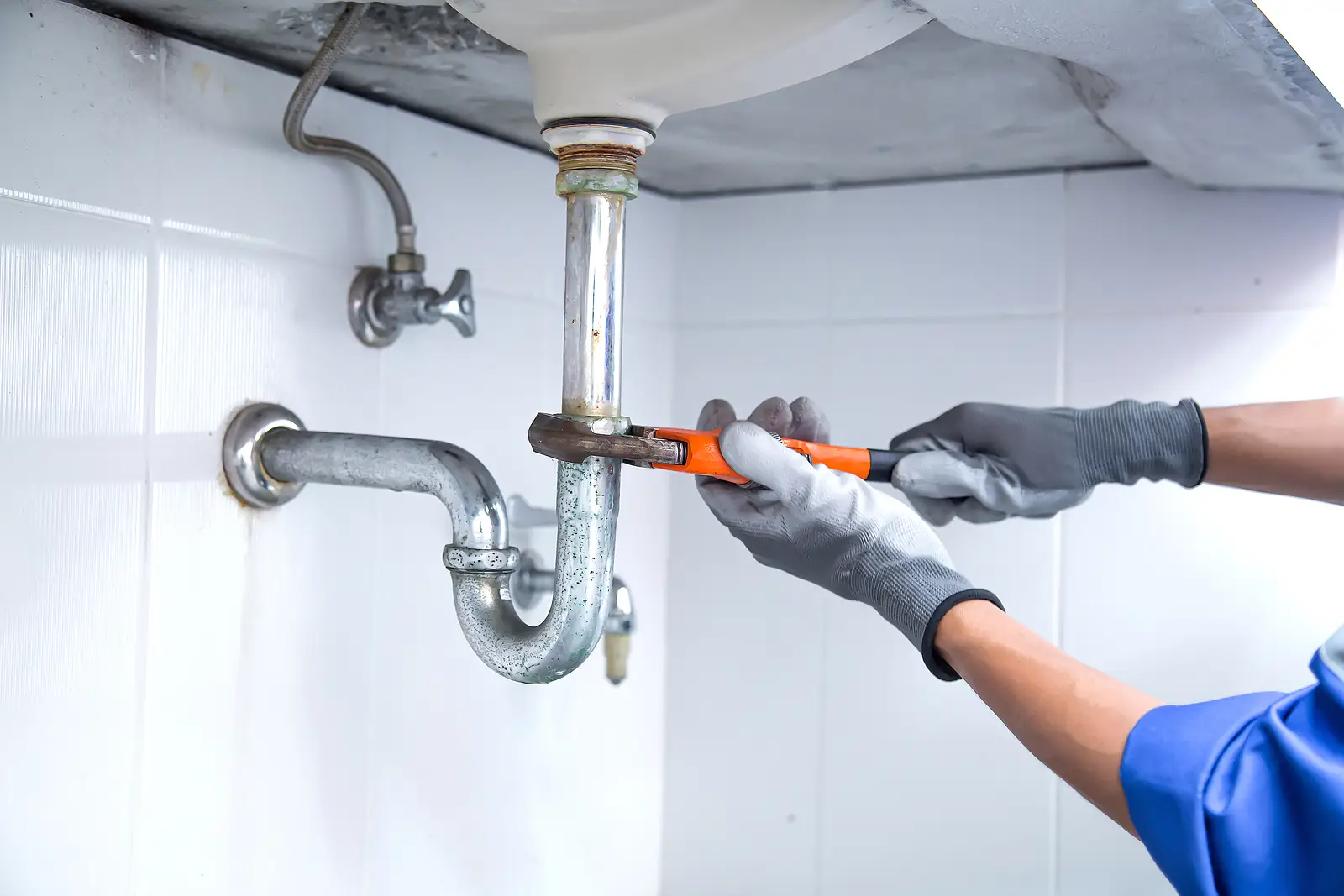
Some repairs don’t stay solved for long. They return weeks later, sometimes in the same spot, sometimes in a different unit. What feels like routine maintenance can actually point to deeper inefficiencies. By reviewing patterns through our property inspection routine, you can start to see where repeat problems begin and why they continue.
Across Jacksonville’s residential rental market, recurring minor repairs often create more disruption than expected. Costs slowly rise, schedules get tighter, and tenants lose confidence when issues come back. Taking a closer look at these patterns helps you move toward more stable and efficient property performance.
Key Takeaways
- Recurring minor repairs often point to deeper system issues
- Temporary fixes increase long-term maintenance costs
- Delayed upgrades lead to frequent breakdowns
- Reliable repairs improve tenant confidence
- Proactive planning supports better financial outcomes
Why Recurring Minor Repairs Rarely Happen by Chance
When the same issue shows up again, it usually means something was missed the first time. The surface problem may have been fixed, but the underlying cause remains.
Looking at patterns instead of isolated repairs helps uncover these hidden inefficiencies. Maintenance history often reveals connections between repeated issues and aging systems or overlooked wear. Reviewing insurance trend changes can also highlight how external factors affect repair frequency.
Common Patterns That Indicate Deeper Issues
Certain types of repairs tend to repeat more often:
- Plumbing problems linked to pipe buildup or poor layout
- HVAC units that struggle due to age or improper sizing
- Electrical issues caused by outdated wiring
These patterns often require more than a quick fix. They call for a closer evaluation of the entire system.
The Cost Growth Behind Repeated Repairs
Small repairs may seem manageable at first. Over time, repeated service calls create a steady increase in expenses.
Each visit includes labor, materials, and coordination. When the same issue returns, those costs multiply. National housing data shows that median monthly housing costs reached $2,035 in 2024, highlighting how ongoing expenses continue to rise.
Why Short-Term Fixes Become Expensive
Temporary solutions often address the visible issue without solving the root cause. This leads to repeated work and higher overall costs.
- Labor expenses increase with each visit
- Replacement parts add up quickly
- Delays allow issues to worsen
Understanding long-term performance through rental system planning helps reduce unnecessary spending and improve outcomes.
Delaying Upgrades Leads to More Frequent Problems
Holding off on upgrades may seem like a way to manage costs. In reality, older systems tend to fail more often and operate less efficiently.
As equipment ages, it requires more attention. This creates a cycle where repairs increase without improving overall performance. Addressing these issues early can prevent ongoing disruptions.
Long-Term Effects of Delayed Improvements
- Increased repair frequency
- Higher energy costs from inefficient systems
- Shortened lifespan of equipment
- Greater risk of unexpected failures
Investing in cost-cutting upgrades helps reduce recurring problems while improving reliability.
Tenant Experience Changes When Problems Repeat
Tenants expect repairs to last. When issues keep coming back, it affects their daily comfort and overall satisfaction.
Even if maintenance is handled quickly, repeated problems create frustration. Over time, this can lead to reduced trust and lower retention.
Signs Tenants Are Losing Confidence
- Repeat complaints about the same issue
- Increased frustration during maintenance requests
- Lower satisfaction despite quick responses
Consistent solutions help create a more stable living experience and strengthen tenant relationships.
Turnover Risks Increase with Ongoing Maintenance Issues
Recurring minor repairs often influence whether tenants decide to stay or move out. Even small issues can add up and affect their experience over time.
Higher turnover leads to additional costs, including vacancy periods, marketing, and property preparation. Frequent tenant changes also increase wear and tear.
Housing research shows that repair costs reached $198.4 billion in a single year, largely driven by repeated and unresolved issues.
Why Reliable Maintenance Supports Retention
When tenants trust that repairs are handled properly, they are more likely to renew their lease. Consistent maintenance improves satisfaction and reduces uncertainty.
Tracking financial performance through property accounting access helps you understand how maintenance decisions impact your returns.
A More Effective Way to Manage Maintenance
Breaking the cycle of recurring minor repairs requires a shift in strategy. Instead of reacting to problems, focus on prevention and long-term solutions.
Practical Steps to Reduce Recurring Repairs
- Track repair history to identify patterns
- Investigate root causes instead of symptoms
- Replace systems when repairs become frequent
- Schedule preventive maintenance regularly
- Work with vendors who prioritize lasting solutions
Using a rental performance review can also help uncover inefficiencies and guide better decisions.
Why Better Oversight Improves Results
Managing maintenance effectively requires clear oversight. Tracking repair data and reviewing outcomes helps you make informed decisions about when to repair or replace systems.
Access to owner management tools provides better visibility into property performance. This allows you to identify recurring issues early and adjust your strategy.
With a more structured approach, you can reduce repeated disruptions and improve overall efficiency.
FAQs about Recurring Minor Repairs in Jacksonville, FL
Why do some repairs keep coming back even after they were fixed recently?
Recurring issues often happen when the underlying cause wasn’t addressed during the initial repair. Surface-level fixes may restore function temporarily, but deeper system problems can continue to trigger the same failure again over time.
How can recurring repairs affect my yearly maintenance budget?
Repeated service calls increase labor and material costs, which can quickly stretch your budget. Over time, these ongoing expenses may exceed the cost of a full replacement or upgrade that would have prevented repeat issues.
Are recurring repair issues more common in certain systems?
Yes, plumbing, HVAC, and electrical systems tend to show repeat problems more often. These systems experience regular use, so underlying inefficiencies or aging components can lead to repeated breakdowns if not properly addressed.
What role do inspections play in preventing repeat repairs?
Regular inspections help catch early signs of wear or inefficiency before they turn into recurring problems. Identifying small issues early allows for more complete repairs that reduce the chance of the same issue returning.
Can recurring repairs impact how tenants view the property?
Yes, repeated issues can make tenants feel that problems are not being fully resolved. This can lead to frustration, lower satisfaction, and a greater likelihood of tenants choosing not to renew their lease.
A Smarter Path to Reliable Property Performance
Repeated repairs often signal inefficiencies that go beyond surface-level problems. Addressing these patterns early helps reduce costs, improve tenant satisfaction, and create a more stable rental experience.
At PMI River City, we focus on identifying the causes behind recurring issues and implementing solutions that last. This approach helps you protect your investment and maintain consistent performance.
Ready to move past repeat repairs and improve your property’s efficiency? Resolve ongoing maintenance challenges with PMI River City and keep your Jacksonville rental running smoothly.